
AI Fraud Detection System for Cryptocurrency Transaction Risk Analysis
A completed Master's project focused on detecting suspicious cryptocurrency transaction patterns using Federated Learning, Explainable AI, and machine learning models such as Random Forest, Logistic Regression, and XGBoost.
88%
Top Accuracy Achieved
3
ML Models Compared
FL + XAI
Core Approach
Crypto
Fraud Detection Domain
Project Positioning
Privacy-preserving AI system for real-time fraud analysis
Designed to show how intelligent fraud detection can remain scalable, transparent, and privacy-conscious in decentralized digital finance environments.
Project Overview
Solving fraud risk in cryptocurrency transactions
Cryptocurrency transactions are vulnerable to abuse because of pseudonymity, decentralization, and limited regulatory visibility. This project was designed to explore a smarter approach to fraud detection using privacy-preserving and interpretable AI methods.
The system combines Federated Learning with Explainable AI to simulate a modern fraud detection approach where multiple environments can contribute to model training without directly sharing raw sensitive transaction data.
Core Value
Protects data privacy during model training
Improves transparency of fraud predictions
Supports modern financial risk analysis use cases
Combines research depth with practical AI system design
What This Project Includes
Technical depth with real system thinking
Privacy-preserving training without sharing raw data
Comparative evaluation of Random Forest, Logistic Regression, and XGBoost
Explainable AI using SHAP and LIME
Feature engineering for behavioral transaction analysis
Focus on fraud risk indicators such as hour, amount, and fee ratios
Federated simulation across distributed payment-style environments
Tech Stack
Tools and technologies used
Results & Impact
What the project achieved
Demonstrated a scalable fraud detection framework for crypto transaction abuse analysis
Showed that federated learning can preserve privacy while maintaining strong performance
Improved transparency of model decisions through explainability techniques
Established a strong portfolio project at the intersection of AI, FinTech, and cybersecurity
Key Insight
High accuracy did not mean perfect fraud sensitivity
One of the most important findings from this project was that overall model accuracy remained strong, but fraud recall stayed weak because of severe class imbalance. That insight reflects real analytical maturity and shows awareness of the difference between headline performance and true fraud-detection effectiveness.
Limitations
Severe class imbalance reduced fraud recall despite high overall accuracy
Synthetic fraud labels may not fully capture real-world abuse behavior
Federated setup was simulated rather than deployed on real live platforms
Project Visuals
Model outputs and system insights
These visuals show the system architecture, implementation workflow, model comparison, and explainability outputs used in the project.
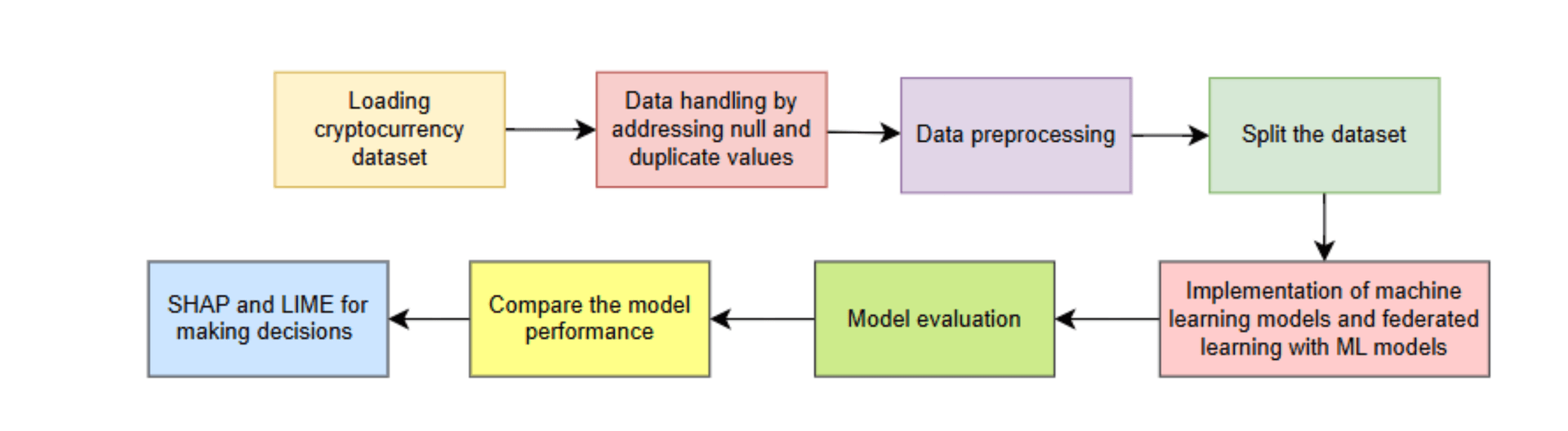
System architecture design for the privacy-preserving fraud detection workflow.
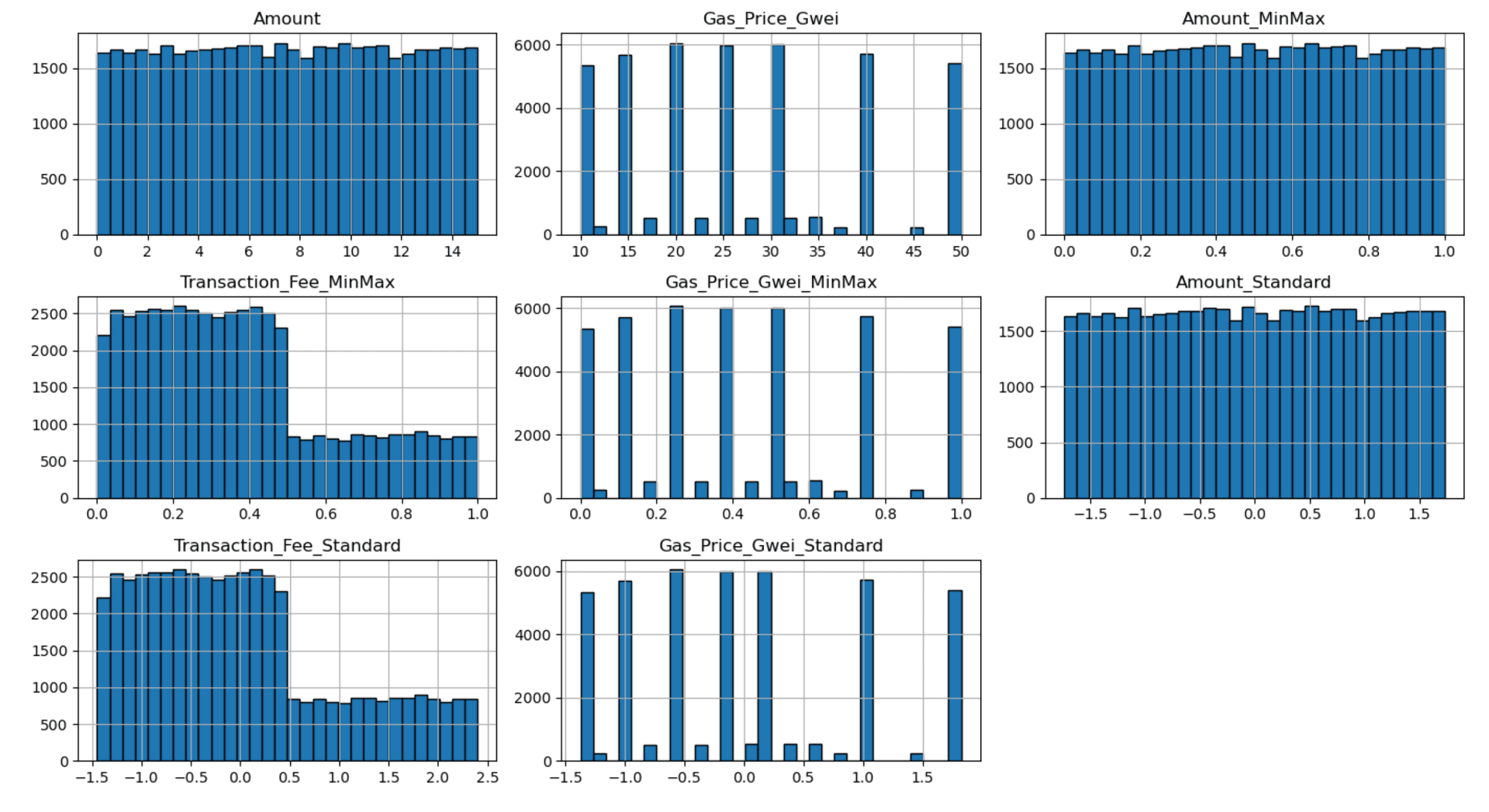
Implementation process showing feature correlation and standardized distributions.
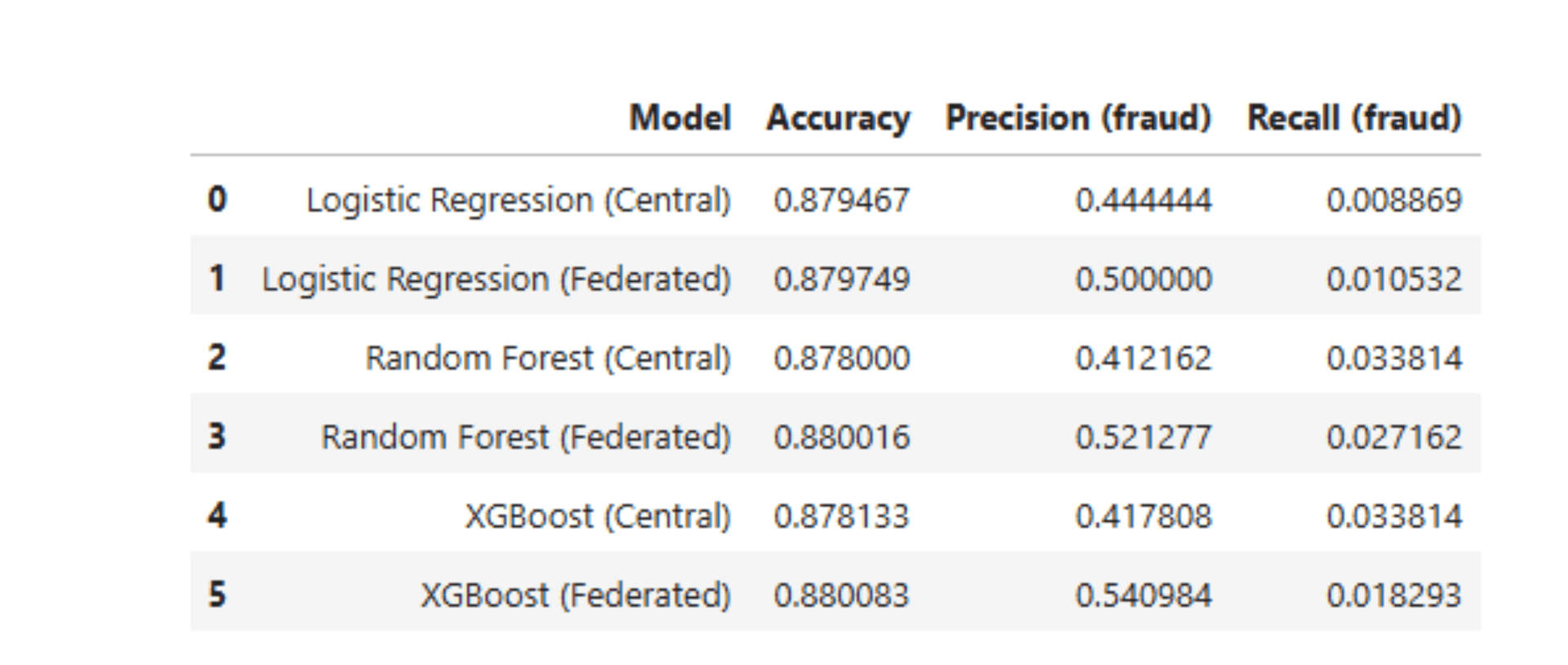
Model comparison showing accuracy, fraud precision, and fraud recall across models.
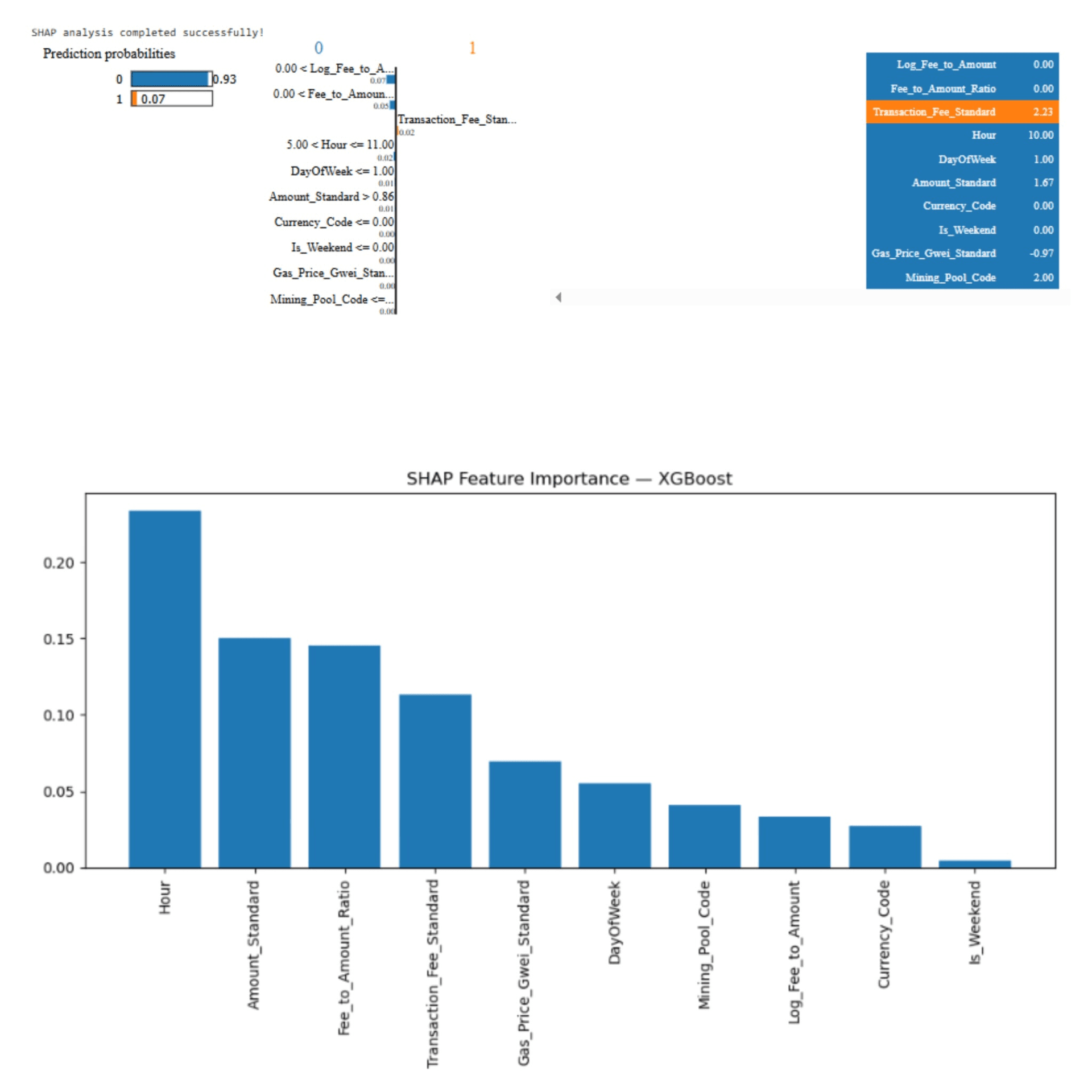
SHAP and LIME explainability outputs highlighting important fraud-related features.
Interested in Similar Solutions?
Let's build intelligent digital systems for your business
From AI-powered workflows to data-driven platforms, MB Infotech Solutions helps turn complex ideas into scalable digital products.